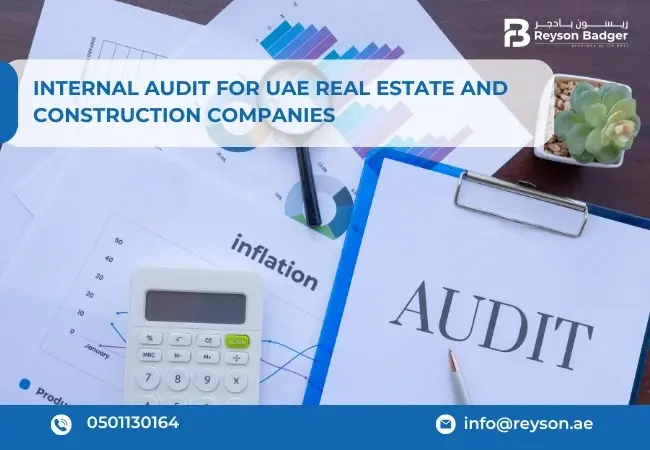


The UAE real estate and construction sectors are pillars of the nation’s rapid development and economic diversification. With ongoing mega infrastructure projects, residential and commercial developments, and the Expo 2020 legacy, the scale and complexity of these industries require stringent governance mechanisms.
Transparency in financial dealings, adherence to local regulations, and maintaining accuracy in accounting are non-negotiable for building stakeholder trust and ensuring sustainable growth. Internal audit plays a critical role as an independent function that evaluates the effectiveness of these governance mechanisms, risk management frameworks, and operational controls, ultimately safeguarding company assets and reputation.
Why Internal Audit Is Crucial in Real Estate & Construction
These industries face unique challenges:
- High-value transactions and long project cycles: Real estate developments and construction projects often span months or years, involving large capital outlays. This extended timeframe increases exposure to various risks including market fluctuations, resource availability, and regulatory changes.
- Risk of fraud, cost overruns, and disputes: Misappropriation of funds, inflated invoices, and inaccurate reporting can lead to significant losses. Cost overruns often arise from poor project management, inaccurate estimation, or delayed timelines, which can strain cash flows and profitability.
- Regulatory compliance requirements: UAE’s regulatory environment is continually evolving, with strict VAT regulations, anti-money laundering (AML), counter-financing terrorism standards (CFT), and labor laws that companies must adhere to. Failure to comply may result in hefty penalties or operational restrictions.
- Need for strong internal controls: Given the complexity and value of operations, robust controls over procurement, contract management, payroll, and financial reporting are essential to mitigate risks and ensure accurate, real-time data for decision-making.
Internal audit offers an independent, systematic review of these controls and risks, providing assurance to management, boards, and investors.
Key Risks Faced by Real Estate & Construction Companies
- Project delays and cost escalations: Poor scheduling, unforeseen site conditions, or supply chain disruptions can delay completion and inflate costs.
- Weak contract & subcontractor management: Contracts are complex, involving multiple parties and terms. Weak oversight can lead to disputes, poor workmanship, or breaches causing financial and reputational damage.
- Poor procurement and inventory control: Inefficient procurement processes can result in over-purchasing, stockpiling, or theft of materials, directly impacting costs.
- Fraud, bribery, and financial misstatements: Due to large cash flows and multiple vendors, opportunities for fraudulent activities exist without strong checks.
- Non-compliance with UAE laws: Failure to comply with labor laws, environmental standards, VAT requirements, or safety regulations can interrupt operations or lead to fines.
- Escalating material costs and cash flow issues: Global supply issues and inflation increase material costs, impacting budgets and liquidity.
Scope of Internal Audit for Real Estate & Construction Companies
1. Financial Audit Scope
The financial audit focuses on verifying the accuracy and completeness of all financial transactions and ensuring that project costs are recorded properly. This includes:
- Reviewing financial statements to ensure they fairly represent the company’s financial position under applicable reporting standards.
- Verifying documentation for project expenses, ensuring they correspond with approved budgets and contracts.
- Monitoring cash flows rigorously to maintain liquidity and detect irregularities early.
- Analyzing budgets versus actual costs to pinpoint deviations and their causes.
2. Operational Audit Scope
Operational audits provide insight into the efficiency and effectiveness of business operations, including:
- Assessing procurement processes to ensure purchasing follows company policies, competitive tendering, and cost-effectiveness.
- Reviewing systems for inventory and material management, including storage, usage, and reconciliation of materials.
- Evaluating the performance of vendors and subcontractors for quality, timeliness, and compliance with contract terms.
- Monitoring project performance oversight frameworks to ensure milestones and deliverables are tracked properly.
3. Compliance Audit Scope
Compliance audits ensure adherence to legal and regulatory requirements such as:
- Proper VAT treatment, reporting, and documentation.
- Adherence to anti-money laundering and counter-terrorism financing regulations.
- Compliance with contract terms and any industry-specific guidelines.
- Ensuring that all business activities meet the UAE’s regulatory environment requirements.
4. Risk Management Audit Scope
Internal auditors analyze risk frameworks by:
- Identifying risks related to operational inefficiencies, financial misstatements, legal non-compliance, or market volatility.
- Evaluating the adequacy of controls designed to mitigate these risks.
- Recommending enhancements to risk management strategies and control processes.
Internal Audit Process for Real Estate & Construction Firms
- Planning and defining audit scope: Tailoring the audit to the specific business activities, project phases, and inherent risks.
- Risk assessment: Identifying areas with the highest risk exposure within ongoing and upcoming projects.
- Site visits and inspections: Physical verification of project sites to confirm progress, validate inventories, and review safety compliance.
- Reviewing contracts, invoices, and payment processes: Checking for consistency, authorization, and completeness.
- Evaluating procurement and material controls: Ensuring transparency and accountability in purchases and usage.
- Reporting findings: Delivering clear, actionable reports with recommendations for improvement.
- Follow-up audits: Verifying that corrective actions are implemented and effective.
What Internal Auditors Examine in Real Estate & Construction
- Tendering and bidding process: Ensuring fair competition, transparency, and compliance with procurement policies.
- Material purchase, storage, and usage: Verifying records and physical inventories to prevent losses.
- Payroll and site labor costs: Confirming labor hours, rates, and payments match records and contracts.
- Subcontractor agreements and performance: Reviewing contract terms and delivery benchmarks.
- Project timelines versus progress: Comparing scheduled milestones with actual completion to identify delays.
- Compliance with Health, Safety & Environment (HSE): Confirming safety protocols are observed to protect workers and avoid legal issues.
- Fraud detection: Examining billing and procurement for irregularities or inflated claims.
- Project quality control: Ensuring construction meets design specifications and standards.
Benefits of Internal Audit for Real Estate & Construction Companies
- Better cost control and reduced waste: Detecting inefficiencies lowers unnecessary expenses.
- Accurate financial reporting: Improves credibility with investors, banks, and regulators.
- Stronger contract management: Minimizes disputes and holds parties accountable.
- Reduction in fraud and financial leakage: Protects company assets.
- Improved project delivery timelines: Facilitates addressing bottlenecks early.
- Increased compliance: Avoids legal penalties and business disruptions.
- Enhanced investor confidence: Transparency attracts investment and lowers financing costs.
Why Choose Reyson Badger?
Reyson Badger offers extensive sector-specific experience, particularly within the UAE real estate and construction industries. Our team of certified internal auditors possesses a strong understanding of local laws, regulatory requirements, and industry practices. We utilise data analytics and advanced audit tools to conduct thorough and efficient internal audits. Each engagement is supported by customised audit plans tailored to the project’s scale and risk profile. Reyson Badger delivers full-cycle internal audit, from planning and execution to implementing actionable recommendations that drive meaningful and practical improvements.